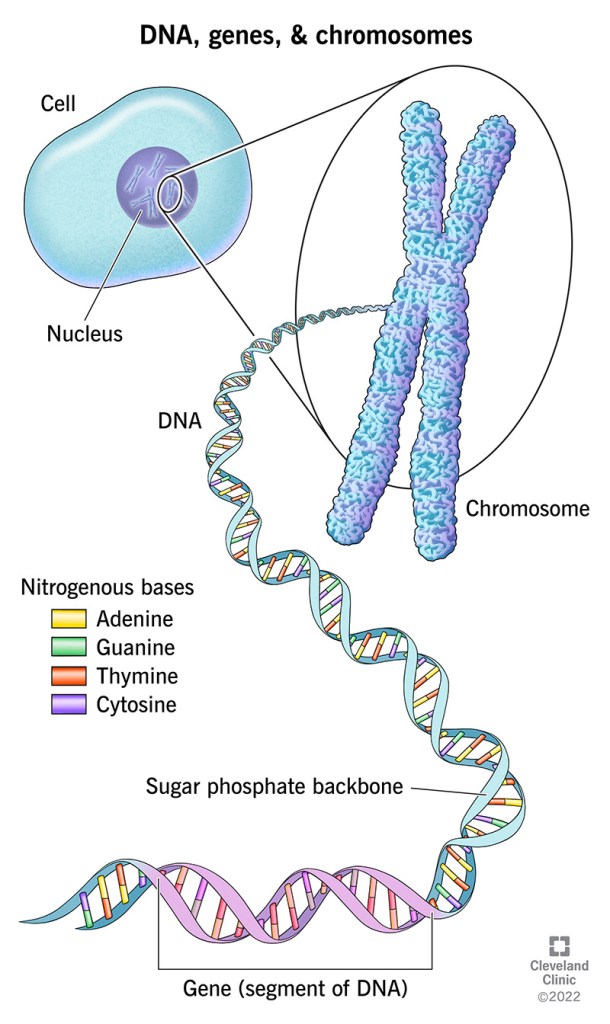
I have written a few pieces for the web site of the KAT6 Foundation. KAT6A and KAT6B are the names of two adjacent genes or segments of human DNA. Sam, my son, has a mutation in the KAT6A segment. This mutation is de novo — new in him, meaning that it was not passed down from either of his parents.
It’s a gene defect first identified in KAT6A in 2015 and in KAT6B a couple years later. KAT6B mutations have some separate, distinct effects but also much in common with KAT6A. In both cases there is wide variation in the effects as well, from mild to severe. A complete description can be found at the Foundation’s web site, kat6.org.
Sam is severely affected and because of that he has always lived at home with us, his mother and father. The second of the articles below describes him briefly this way:
For those who don’t know him: Samuel [born in 1990], is non-verbal [can’t talk], is exclusively tube-fed since he was a baby, and is severely limited from birth both physically and mentally. He learned to walk with a walker by about age 5, but by 15 he had fallen too many times and was afraid to stand up unless supported by someone. He communicates some needs and preferences with gestures and vocal utterances, and he also effectively expresses enthusiasm and protest. He confers winsome smiles and initiates hugs when he feels like it. If something is interesting he moves his wheelchair toward it. If it’s not interesting he propels himself away.
I think he understands that he is dependent. He trusts us, his parents, and trusts those others who regularly occupy his time, whether as caregivers, close relatives, or friends. He clearly understands love. He clearly fears certain potential risks and is especially fearful of falling when he is briefly on his feet to transfer from one situation to another — wheelchair to car, for instance.
These limitations are the reason [his mother] and I are the ones who prepare his bedtime medicines, get him into his nightwear, and tuck him in as his favorite gentle music plays quietly in the background.
The point of mentioning this much here is to provide an introduction to the three pieces linked below and from these articles to help raise awareness of this rare disease, for since 2015 only about 700 cases have been identified worldwide. As of late 2025 Sam is the only instance of KAT6A or KAT6B in Maine.

 DamnYankee Publishing